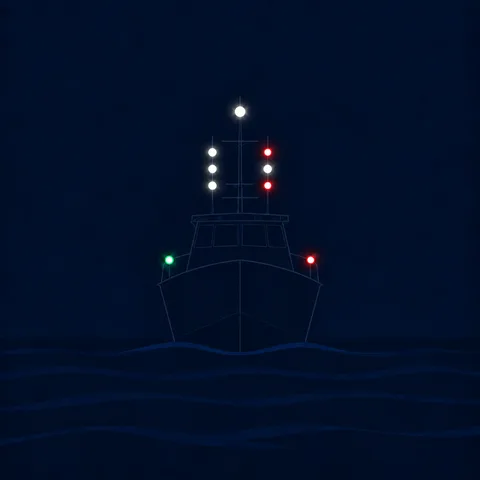
Navigation Lights
Study light configurations and the vessels or situations they identify.

StandOn Revision
A digital collection of sailing revision cards, with visual illustrations and explanations on your phone, tablet or computer. Browse a topic or search for a subject you want to understand better.
Start with 46 free Navigation Lights practice questions. This free offer refers to Practice, not a promise of free access to every revision card.
Use Revise to explore the material at your own pace. Read for understanding, then revisit what you have learned.
Open StandOn and choose Revise to explore the revision cards.
Focus on Navigation Lights, Day Shapes or Buoyage.
Study the visual illustration and read the explanation. Take time to connect what you see with what it means.
Use search to find a specific subject you want to revisit.
Come back to topics on different days, rather than trying to learn everything in one sitting.
Revision cards currently cover Navigation Lights, Day Shapes and Buoyage. These examples are illustrations from the existing collection.
Study light configurations and the vessels or situations they identify.
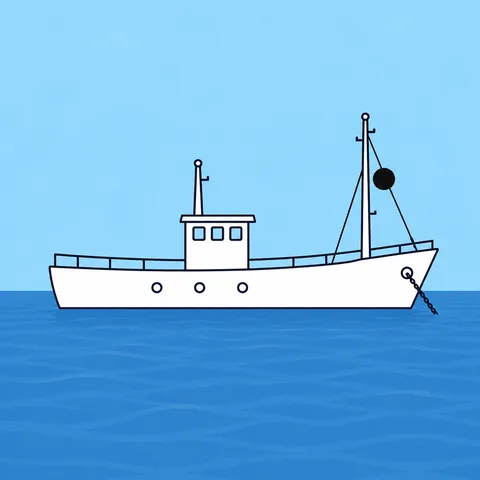
Connect a vessel’s day shapes with their meaning, including the single ball for a vessel at anchor.
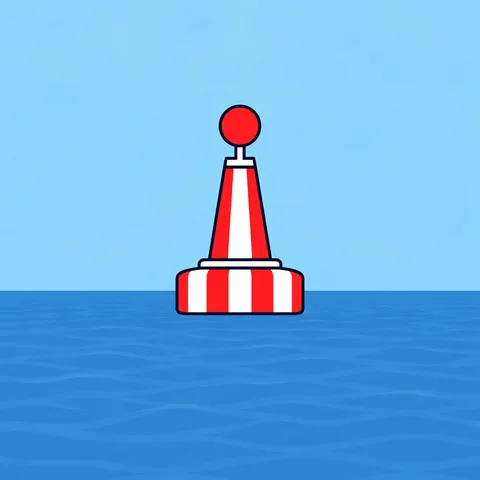
Revisit the appearance and meaning of navigation marks.
Rules of the Road, Restricted Visibility and General COLREGs currently have Practice questions, not revision cards. A topic being live in Practice does not mean it has a card collection.
See the current question and revision-card inventory for the verified breakdown.
The way you use a card matters. Images and explanations can help you understand; recalling an answer and returning later add something different.
An illustration can make a light configuration, day shape or navigation mark easier to relate to its explanation. Richard Mayer’s multimedia principle describes how people can learn more deeply from words paired with relevant pictures than from words alone. Relevance and presentation matter; adding an image is not a guarantee of learning.
Richard Mayer — The Multimedia Principle, Cambridge University Press
Before rereading an explanation, pause and try to describe what the illustration means from memory. Then check your understanding. Retrieval practice can support retention, and it is different from simply seeing a familiar answer again.
Harvard Medical School — Using Learning Sciences to Enhance Student Learning and Success This Year
Spread revision across different days instead of relying on one long session. Dunlosky and colleagues’ review identifies practice testing and distributed practice as useful learning techniques across a range of settings. Results depend on the learner, material and how the techniques are used.
Dunlosky et al. — Improving Students’ Learning With Effective Learning Techniques
These sources concern learning techniques. They do not test or endorse StandOn, and their publication does not imply an endorsement by Cambridge University Press, Cambridge University or Harvard Medical School.
Use revision cards to study the illustrations and explanations, then open Practice in StandOn to try answering questions from memory. Check an explanation when you need to, and return to the material later.
Browse a topic, read an explanation and come back to it another day.